Media Truck vs Mobile LED Truck: A Practical Guide for Marketing Agencies, Event Organisers and Brand Advertisers
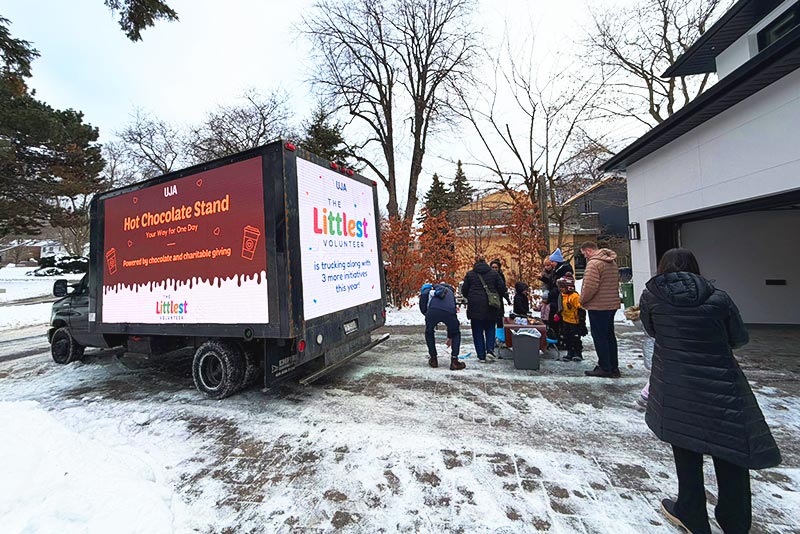
Urban advertising has evolved rapidly as advertisers seek more intelligent and flexible approaches to reach audiences in busy metropolitan environments. Conventional billboards still play a role within the advertising landscape, but advertisers are increasingly drawn to solutions that integrate movement, digital display technology and strategic positioning. This evolution has made the Mobile LED Truck, digital media truck, and other mobile advertising solutions key assets for today’s marketing campaigns. These vehicles enable brands to present high-impact visuals across locations with heavy pedestrian activity, business districts, entertainment zones and event venues. For agencies, event organisers, and brand advertisers, knowing the differences among a Media Truck, LED billboard truck, and other mobile formats helps identify the most effective strategy for audience engagement and campaign performance.
The Role of a Media Truck in Mobile Advertising
A media truck is a specialised advertising vehicle fitted with digital advertising screens that showcase promotional content while moving through strategic routes. Unlike conventional billboards installed in permanent locations, a media truck moves through carefully selected urban areas where audience concentration is strongest. This mobility allows brands to place their messaging directly in front of potential customers in high-traffic business districts, residential communities, entertainment areas and major public events.
Campaigns using media trucks are often designed with detailed route strategies that optimise audience exposure across daily schedules. For example, a campaign might begin in a financial district during morning commuting hours, move toward retail centres in the afternoon, and end near nightlife zones in the evening. This strategic movement ensures that a brand message is visible to multiple audience groups throughout the campaign period.
An additional advantage of media truck advertising is its strong ability to capture attention in an increasingly crowded advertising landscape. A moving digital screen immediately stands out among static advertisements. When paired with high-quality visuals and motion graphics, the result is a powerful form of outdoor advertising that promotes immediate viewer interaction.
What Distinguishes a Mobile LED Truck
A Mobile LED Truck is generally considered a more advanced form of the standard media truck. While both formats rely on vehicle-mounted digital screens, mobile LED trucks commonly utilise commercial-grade LED panels capable of showing dynamic video with exceptional visual brightness and sharpness. These screens are engineered for visibility even under strong daylight, ensuring that advertising content remains sharp and impactful at all times of the day.
The advanced display system within an LED Media Truck enables advertisers to operate dynamic creative campaigns that rotate multiple advertisements within a single route schedule. For marketing agencies handling multiple clients, this feature of rotating creatives provides strong operational value. A single vehicle can display different brand messages at scheduled intervals, making the campaign both efficient and cost-effective.
A further advantage of a mobile LED truck is its ability to display cinematic-quality visuals. High-resolution LED panels allow smooth video playback, animated advertising and visually engaging brand narratives. This format is particularly effective for product launches, entertainment promotions, and major public events where visual impact plays a critical role in audience attention.
The Technology Behind a Digital Media Truck
A digital media truck integrates modern display technology with route-based advertising strategies. These vehicles are equipped with advanced LED screens, onboard power systems, and digital control platforms that allow campaign managers to update creative content quickly. The flexibility offered by digital media trucks allows brands to modify campaign messaging in response to campaign analytics, seasonal marketing initiatives or event schedules.
Many campaigns using digital media trucks rely on advanced scheduling systems that control when particular advertisements appear on the screen. This scheduling capability allows brands to deliver targeted messaging at the most strategic moments. For example, a restaurant promotion may appear during lunchtime hours, while entertainment promotions may appear during evening traffic periods.
Another key benefit is real-time monitoring. Many modern media trucks use tracking systems that monitor routes, stopping points and exposure zones. This data allows agencies to evaluate the effectiveness of mobile billboard advertising campaigns and demonstrate measurable reach to clients. For advertisers looking for performance data, this level of transparency makes digital media trucks a valuable marketing asset.
Using Media Vans for Hyper-Local Advertising
While large LED trucks often lead major urban campaigns, the media van plays an equally important role in hyper-local marketing strategies. Media vans are compact advertising vehicles that perform effectively across residential streets, suburban areas and small retail zones where larger trucks may not be practical.
The compact nature of a media van allows it to access locations that would be difficult for full-size advertising trucks to reach. This operational flexibility makes media vans especially useful for local promotions, retail announcements and neighbourhood brand campaigns. Businesses focusing on neighbourhood audiences often use media vans to establish strong local visibility.
While media vans usually include smaller display screens compared with large LED billboard trucks, they still deliver high visibility through mobility and strategic placement. By travelling through residential areas, shopping districts, and event venues, these vehicles ensure advertising content reaches viewers in spaces where daily activities occur.
Summary
Mobile outdoor advertising has become a central element of today’s outdoor marketing strategies. With cities becoming denser and static advertising spaces becoming limited, brands increasingly rely on mobile formats that merge digital displays with route-based mobility. Formats including the media truck, mobile LED truck, Digital Media Truck, and media van offer flexible and visually powerful methods to connect with audiences across different city environments.
By choosing the most suitable format based on campaign goals, agencies and advertisers can maximise visibility, strengthen audience interaction, and deliver memorable Mobile Billboard Advertising brand experiences. Whether deployed for neighbourhood promotions, major events or large city campaigns, mobile billboard solutions continue to redefine how brands connect with audiences in the modern outdoor advertising environment.